What actually happens when someone squirts
Squirting is the release of clear, watery fluid from the urethra during strong sexual arousal or orgasm. It can be a few drops or enough to soak a towel. It is common, it is normal, and it is not a sign that something went wrong.
Researchers have studied it for decades, although the studies are small. Salama et al. 2015 used pelvic ultrasound and found that the bladder was emptied by squirting and then filled again during arousal, which suggests much of the fluid comes from the bladder. The fluid still differed from ordinary urine in some samples, often containing PSA, a protein made by the Skene's glands. Pastor 2013 and Rubio-Casillas and Jannini 2011 argued that squirting and female ejaculation are two different things: one is a larger, watery gush, the other a small amount of thicker, milky fluid. If you want the science in depth, read our page on what squirt is made of.
Experiences vary a lot. Some people squirt easily, some only once in a while, some never. None of these is better than the others, and squirting is not required for orgasm or for good sex.
01Bladder
Behind the pubic bone
Fills and empties during arousal. Most squirt comes from here.
02Urethra
Just above the front wall
The short tube from the bladder to the opening, about 1.5 inches long.
03Skene's glands
Beside the lower urethra
Two small glands, the source of the milky ejaculate.
04Front wall area
2 to 3 inches inside, toward the belly button
Responds to firm, rhythmic pressure. The area most guides call the G spot.
The anatomy that matters
You do not need a medical degree, but knowing three areas makes the rest of this guide make sense.
- The G-spot area. About 2 to 3 inches inside the vagina, on the front wall (toward the belly button), there is a zone that feels slightly ridged or spongy when aroused. It was described by Graefenberg in 1950. It is not a button, it is an area that responds to firm, rhythmic pressure.
- The urethra and Skene's glands. The urethra runs just above that front wall. Around it sit the Skene's glands, first described by Alexander Skene in 1880 and later studied by Zaviacic as a "female prostate". Pressure on the G-spot area also presses on this tissue. Our page on the Skene's gland explains it in more detail.
- The pelvic floor. These are the muscles you use to stop the flow of urine. Squirting usually needs them to relax and push gently, not to clench.
Prepare your body and your space
Preparation removes most of the worry that blocks people. When you are not thinking about the sheets or the bathroom, your body can follow the sensations.
- Empty your bladder first. This does not stop squirting, because the bladder refills during arousal, but it calms the fear of peeing.
- Drink water during the day. You do not need to overdo it. Normal hydration is enough.
- Protect the bed. Lay down a thick towel or a waterproof blanket. A folded bath towel is enough to start.
- Choose time without a deadline. Thirty to sixty unhurried minutes help more than any trick.
- Have lube nearby. Water based lube makes internal touch comfortable.
- Trim nails and wash hands if you plan to use fingers.
- 01
Warm up
15 to 20 minutes of what you already enjoy
- 02
Build
Steady, firm pressure on the front wall
- 03
Urge
It feels like needing to pee. Stay with it
- 04
Release
Breathe out, relax and bear down gently
How to squirt, step by step
This is the core method. Treat it as a map you can adjust, not a checklist you must finish.
- Build arousal slowly. Start with whatever you already enjoy, often external clitoral touch, for 10 to 20 minutes. The G-spot area swells and becomes easier to feel only when you are genuinely aroused. Going inside too early usually feels like nothing at all.
- Find the front wall. Insert one or two lubricated fingers, palm facing up, and curl them toward the belly button in a "come here" motion. Look for the slightly textured, spongier zone. A curved G-spot toy can reach it more easily than fingers.
- Use firm, rhythmic pressure. Gentle stroking rarely works here. Most people respond to steady pressure and a rocking or tapping rhythm, about one to two times per second. Keep the rhythm consistent instead of constantly changing it.
- Add external stimulation. Combining clitoral touch with internal pressure helps many people. You can read why in G-spot versus clitoral stimulation.
- Notice the "I need to pee" feeling. As the tissue fills, many people feel a sudden urge to urinate. This is the moment most people stop. Since your bladder is empty, this feeling is very often the build up before squirting.
- Relax and bear down gently. Instead of tightening, breathe out and push softly, the way you would to start peeing. Keep the stimulation going.
- Let it happen, or let it go. Fluid may come out in a gush, in pulses, or only as a little wetness. If nothing happens, that is fine. Stop when it stops feeling good.
Tools that can help
Hands work, but the angle is tiring. Many people find a toy makes practice easier.
| Tool | What it helps with | Good for |
|---|---|---|
| Curved G-spot vibrator | Reaches the front wall at the right angle | Solo practice, steady pressure |
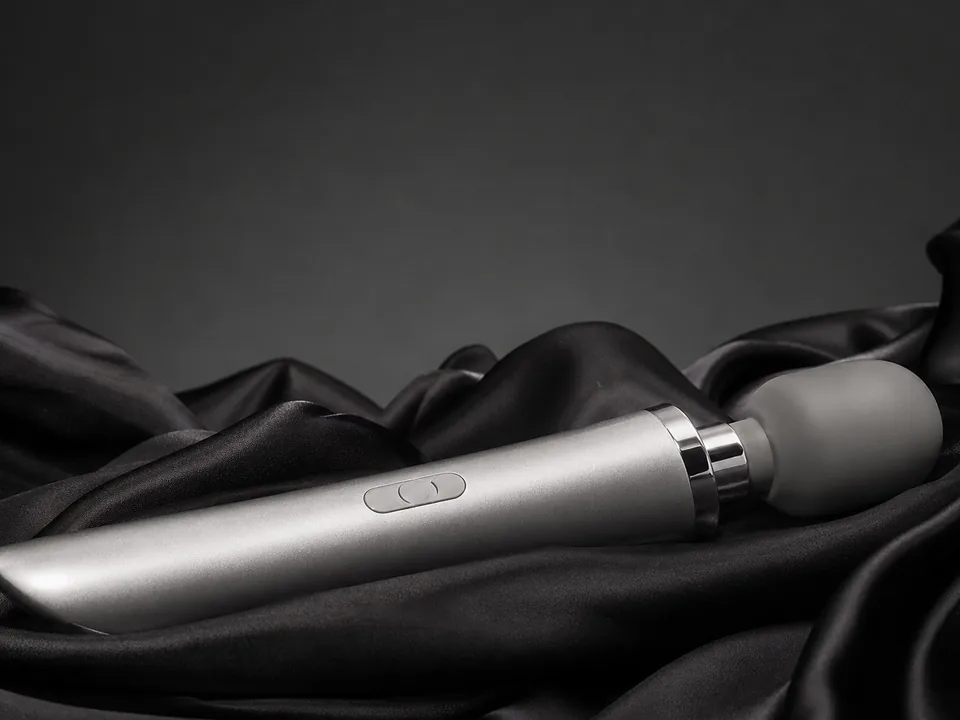
| Wand massager | Strong external vibration | Building high arousal quickly |
| Water based lube | Comfort during longer sessions | Everyone |
| Waterproof blanket | Less worry about mess | Anyone who tends to hold back |
Our ranking of the best squirting toys compares published specifications, materials and price bands, so you can choose without guessing.
Holding on
The pelvic floor lifts and tightens. Fluid stays in and the build up often stalls.
Letting go
Breathe out slowly and bear down gently, like the start of peeing. The pelvic floor drops.
What gets in the way
The most common blocks are mental, not physical.
- Fear of peeing. This is the number one reason people tighten up at the key moment. Empty your bladder, protect the bed and remind yourself the fluid is harmless.
- Pressure to perform. Treating squirting as a test makes the body tense. Curiosity works better than a goal.
- Not enough arousal. If internal touch feels neutral or uncomfortable, go back to what you enjoy and come back later.
- Too light or too varied a touch. Firm and consistent beats fancy.
- A tight or tired pelvic floor. Some people hold tension in these muscles all day. Slow breathing and a relaxed belly help.
Many beliefs around this topic are simply wrong. Reading the research calmly is the fastest way to drop them.
Practice, patience and a realistic timeline
Most people do not squirt on the first try. It often takes several sessions to learn how the sensations build and to trust the urge instead of fighting it. Keep each session about pleasure, and treat any squirting as a bonus.
A simple approach is to practice alone first, where there is no one to worry about, and then bring what you learned into partnered sex. If you want a gentler starting point, the guide on how to squirt for the first time focuses on the first few attempts, and how to make yourself squirt covers solo practice in detail.
Some people never squirt, even with time and the right touch. Bodies differ in anatomy, in gland tissue and in how arousal builds. Not squirting is not a failure. Researchers still do not fully understand why.
- Empty your bladderThen any later fluid is easier to read
- Waterproof blanketOr two towels, folded double
- Towel within reachNo need to get up halfway
- Water on the nightstandArousal takes time, stay hydrated
- LubeWater based is easy to wash off
- 45 quiet minutesPhone on silent, door closed
When to talk to a doctor
Squirting should not hurt. See a gynecologist, urologist or pelvic floor physiotherapist if you feel pain during internal touch, notice bleeding, have burning when you urinate afterward, or leak urine outside of sex, for example when you cough, laugh or exercise. These are common, treatable issues and worth checking.
Questions people ask
How long does it take to learn how to squirt?
It varies a lot. Some people squirt in their first focused session, others after weeks of relaxed practice, and some never do. Arousal, relaxation and comfort with the urge to pee matter more than the number of attempts.
Is squirting just pee?
Small studies such as Salama et al. 2015 suggest much of the fluid passes through the bladder, but it often differs from ordinary urine and can contain PSA from the Skene's glands. It is a normal sexual response, clear and usually close to odorless.
Do I need a toy to squirt?
No. Fingers work for many people. A curved G-spot toy or a wand massager can make steady pressure easier and less tiring, which is why many people find practice smoother with one.
Why do I feel like I have to pee before squirting?
Pressure on the G-spot area also presses on the urethra and the tissue around it, and the bladder refills during arousal. That combination creates the urge. If you emptied your bladder beforehand, the feeling usually signals that squirting may be close.
Can I squirt without having an orgasm?
Yes. Squirting and orgasm can happen together, separately or not at all. Some people squirt before they climax, some after, some without one. Our post on squirting without orgasm explores this in more detail.
Is it unhealthy to hold back the urge?
Holding back is not harmful, it just tends to stop squirting from happening. If you want to explore it, let the feeling build and breathe out instead of clenching. If you prefer to stop, that is completely fine too.
Educational content for adults, not medical advice. If you have pain, bleeding, or leak urine outside sex, talk to a gynecologist, urologist or pelvic floor physiotherapist.