Two names, one connected system
Many people picture the clitoris as a small button at the top of the vulva and the G-spot as a separate switch somewhere inside the vagina. Anatomy is more interesting than that. The visible part of the clitoris, the glans, is only the tip. Beneath the skin, the clitoris extends backward and down with two long legs and two bulbs of erectile tissue that wrap around the vaginal opening and the urethra.
The G-spot area is a zone on the front wall of the vagina, a few centimeters inside, toward the belly. Graefenberg 1950 described it as a sensitive area along the urethra. Researchers still debate whether it is a distinct structure, but many now see it as a meeting point. Pressing there can stimulate the inner clitoris, the urethra, the tissue around it and the Skene's glands all at once.
So when people compare G-spot vs clitoral stimulation, they are really comparing two ways of touching one connected network.
01Bladder
Behind the pubic bone
Fills and empties during arousal. Most squirt comes from here.
02Urethra
Just above the front wall
The short tube from the bladder to the opening, about 1.5 inches long.
03Skene's glands
Beside the lower urethra
Two small glands, the source of the milky ejaculate.
04Front wall area
2 to 3 inches inside, toward the belly button
Responds to firm, rhythmic pressure. The area most guides call the G spot.
What clitoral stimulation feels like
Clitoral stimulation usually means touching the glans and the hood around it, from the outside. The glans has a dense concentration of nerve endings, which is why many people find it intense and quick to respond.
Common features:
- sensations often feel sharp, focused and bright
- orgasm can come relatively quickly for many people
- light touch, circles, side to side motions and steady vibration all work
- direct touch can feel too intense without lubrication or a covering layer of the hood
For a large share of people with a vulva, clitoral stimulation is the main or only route to orgasm. That is not a limitation. It is simply how many bodies are built.
What G-spot stimulation feels like
G-spot stimulation means firm, steady pressure on the front wall of the vagina, often with a "come here" motion of the fingers or a curved toy. The tissue there can swell and feel slightly ridged when aroused.
People describe it very differently:
- a deep, full, spreading sensation rather than a sharp one
- a strong urge to pee, especially at first
- slower build up, sometimes needing plenty of warm up beforehand
- nothing special at all, which is also normal
That urge to pee is worth mentioning because it is so closely linked to squirting. Pressure on the front wall also presses toward the urethra and bladder. If you want to explore it, our guide on how to squirt explains how to work with that feeling instead of fighting it.
A side by side comparison
| Clitoral stimulation | G-spot stimulation | |
|---|---|---|
| Where | External, glans and hood | Internal, front vaginal wall |
| Typical touch | Light to medium, circles, vibration | Firm pressure, beckoning motion |
| Sensation | Sharp, focused | Deep, spreading |
| Warm up needed | Less | Usually more |
| Link with squirting | Sometimes, especially combined | Often reported |
| Common tools | Fingers, wand, small vibrator | Fingers, curved vibrator, firm dildo |
The table is a guide, not a rule. Bodies vary, and some people feel the reverse of every line.
Why combining both often works best
Because the two areas belong to one system, many people find that the most satisfying approach mixes them. External clitoral stimulation brings arousal up, which makes the G-spot area swell and become more responsive. Internal pressure then adds depth.
Ways to combine them:
- Start with clitoral touch only, slowly, until arousal is clearly high.
- Add one or two fingers inside with gentle pressure toward the belly, keeping the clitoral touch going.
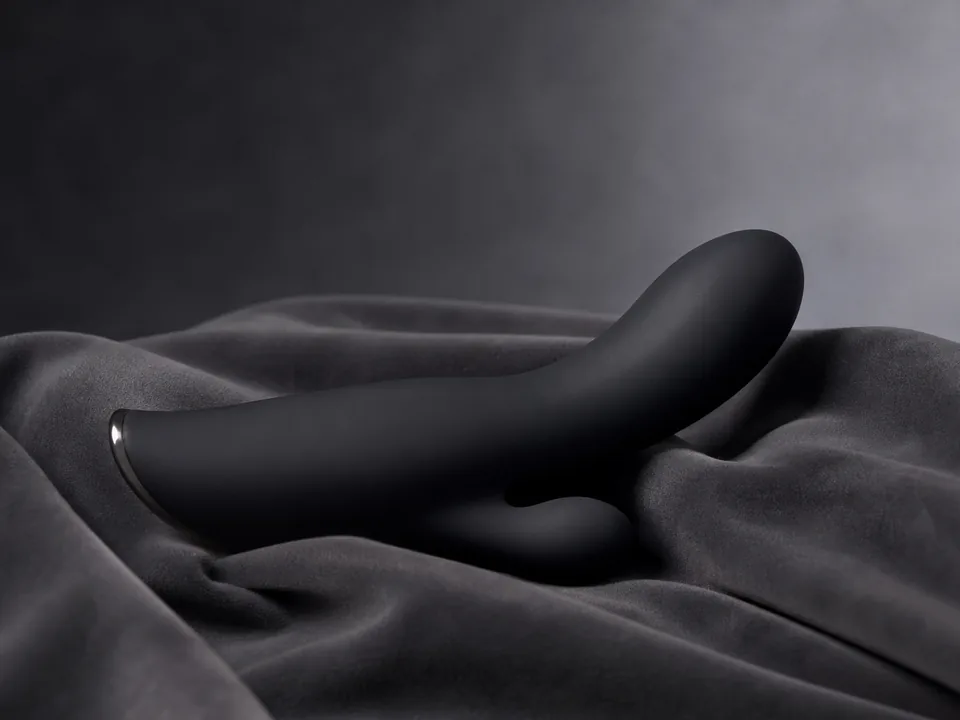
- Use a wand on the outside and a curved toy inside, or a dual stimulation toy that does both.
- With a partner, one person can focus on external touch while the other provides internal pressure, or you can use your own hand while they focus inside.
Many reports of squirting come from this kind of combined, sustained stimulation, though it is never guaranteed and nobody should treat it as a target.
- 01
Warm up
15 to 20 minutes of what you already enjoy
- 02
Build
Steady, firm pressure on the front wall
- 03
Urge
It feels like needing to pee. Stay with it
- 04
Release
Breathe out, relax and bear down gently
Choosing tools for each
Fingers are the most adaptable tool for both, and they cost nothing. If you want toys, the shapes matter.
- For clitoral stimulation, wand massagers give broad, steady vibration, and smaller bullet or suction style toys give a more focused feel.
- For the G-spot, look for a curved tip and a firm body that holds its shape, so pressure lands on the front wall.
- For both, dual or rabbit style toys reach inside and outside together, though fit varies a lot by body.
Our ranking of the best G-spot vibrators compares curve, firmness, power and waterproofing, and the best wand vibrators page covers external options. Plenty of lube helps with both.
Common mistakes to avoid
A few habits make both kinds of stimulation less enjoyable. The most common is starting too fast. Going straight to strong internal pressure before arousal has built often feels uncomfortable or simply dull, because the tissue around the G-spot area has not yet swollen. Another is pressing too hard on the glans of the clitoris, which can quickly feel sore rather than pleasant.
Skipping lube is a third mistake, especially with toys. Friction dulls sensation and can irritate delicate skin. Finally, many people stop changing what they do once something starts to work. Small shifts in rhythm, angle and pressure keep sensations fresh, and asking "more, less or the same?" is the simplest way to stay on track with a partner.
Holding on
The pelvic floor lifts and tightens. Fluid stays in and the build up often stalls.
Letting go
Breathe out slowly and bear down gently, like the start of peeing. The pelvic floor drops.
Listening to your own body
No one approach is better. Some people love G-spot pressure, others find it uncomfortable or uninteresting, and both are normal. The same is true for direct clitoral touch. Exploring alone first can make it easier to tell a partner what you enjoy.
If internal touch is painful, if you notice bleeding, or if you have pelvic pain outside of sex, see a gynecologist or pelvic floor physiotherapist before experimenting further.
Questions people ask
Is G-spot stimulation better than clitoral stimulation?
Neither is better. They feel different, and many people need clitoral stimulation to orgasm. Plenty of people enjoy combining both.
Does everyone have a G-spot?
Everyone with a vagina has the tissue on the front wall, but sensitivity varies widely. Some people find the area very responsive, while others feel little difference.
Why does G-spot stimulation make me feel like I need to pee?
The G-spot area sits close to the urethra and bladder, so pressure there can trigger that urge. Emptying your bladder first often makes the feeling easier to relax into.
Can clitoral stimulation alone lead to squirting?
Some people report squirting with clitoral stimulation alone, though many reports involve internal pressure or a combination. Experiences vary and none of them are wrong.
What is the easiest way to find the G-spot area?
After plenty of arousal, insert one or two lubricated fingers palm up and press gently toward the belly a short way inside. The area may feel slightly textured or swell as arousal rises.
Educational content for adults, not medical advice. If you have pain, bleeding, or leak urine outside sex, talk to a gynecologist, urologist or pelvic floor physiotherapist.